


The Future of Digital Marketing, Through the Eyes of Mila Tkachuk
Mila Tkachuk is a Digital Marketing Manager with more than six years of experience at international companies, including New Media Services Pty Ltd and Burke Interiors. She specializes in developing and implementing comprehensive marketing strategies across multichannel environments, grounded in data analysis and cross-functional collaboration. She is regularly invited to serve as a judge at leading industry awards — the Effie Awards, Stevie Awards, PHNX Awards, and Business Intelligence Award — where she evaluates her peers' work on strategic thinking, creativity, and measurable business results. In this interview, she shares her perspective on the key trends, technologies, and the future of the industry.
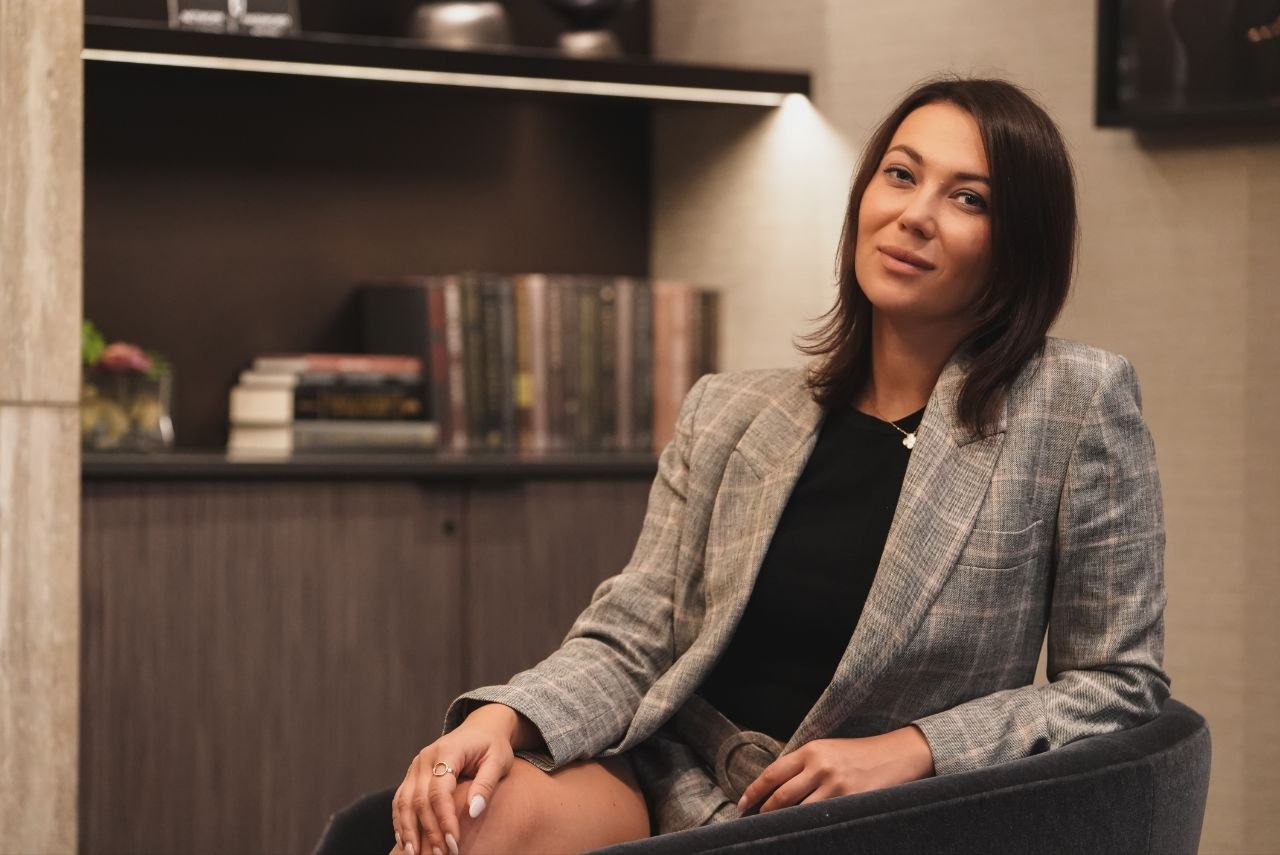
— Mila, you've worked in digital marketing for more than six years and you evaluate your peers' work as a judge at leading international awards. Which trends do you consider key today?
Today digital marketing is becoming as data-driven as possible. Where many decisions used to be made on intuition, the effectiveness of almost every action can now be measured through concrete metrics: CAC, ROAS, LTV, retention rate, and audience engagement. In my work at international companies, it was precisely the shift to comprehensive analytics that became the starting point for building sustainable marketing systems.
One of the major trends is hyper-personalization. Users now expect a brand to understand their interests and show them relevant content. According to industry research, personalized advertising campaigns can increase conversion by 20–30% compared with mass communication. For example, on one project for Burke Interiors I introduced audience segmentation by interests and stage in the buyer journey; this raised the lead-to-inquiry conversion rate by 27% and lowered the cost per inquiry by 18% in the campaign's first quarter.
We're also seeing rapid growth in AI tools across marketing: automating analytics, generating creative, predicting user behavior, and optimizing advertising campaigns in real time.
Short-form video deserves a special mention. Today it's Reels, TikTok, and short-form video that drive the bulk of organic reach and engagement for many brands.
— You've built marketing strategies for international companies — New Media Services and Burke Interiors. How is modern technology changing the work of a marketer at that level?
Technology has significantly accelerated every process. A marketer can now run dozens of A/B tests at once, quickly analyze audience behavior, and make decisions practically in real time. In my work, cross-functional collaboration between the marketing, analytics, and product teams has become the key factor that turns data into real business results.
For instance, AI already helps optimize ad budgets, analyze large datasets, and identify the most effective audience segments. This makes it possible to reduce customer acquisition cost and increase the ROI of advertising campaigns. On one project for New Media Services, automating the analysis of ad segments helped reallocate the budget toward the best-performing channels: acquisition cost dropped by 22%, and the ROI of paid campaigns rose by 31% within two months.
That said, technology doesn't replace strategic thinking. Today the specialists who are especially valued are those who can not only work with the tools but also understand business objectives, user behavior, and audience psychology.
— As a judge at the Effie Awards, Stevie Awards, PHNX Awards, and Business Intelligence Award, you see the industry from a unique vantage point. What goals does digital marketing face today?
The main goal of modern marketing isn't simply to drive traffic, but to build a sustainable system for business growth. Evaluating my peers' work at international awards, I observe a clear pattern: the winners are the projects that demonstrate systematic, measurable growth and strategic coherence, rather than one-off creative spikes.
Companies are increasingly focused not only on the first sale but on retaining the customer. That's why so much attention goes to metrics like LTV, retention rate, and repeat purchases.
Today the most successful brands build long-term relationships with their audience through content, community, and personalized communication.
Speed of adaptation also matters enormously. Platform algorithms, user behavior, and digital tools change so quickly that the ability to test new approaches promptly becomes a serious competitive advantage.
— Analytics and working with data is one of your core areas. How important is it in digital marketing today?
Analytics is the foundation of effective marketing. Without data, you can't scale results. It's important to analyze not only basic indicators like clicks or impressions, but also deeper metrics: customer acquisition cost, campaign payback, user behavior within the funnel, and retention.
For example, a campaign can show a high CTR yet still fail to bring in quality customers. That's exactly why marketing today is built around comprehensive analytics and continuous optimization. I apply this principle in my work at Burke Interiors — every marketing decision is filtered through data and measurable KPIs.
Successful teams work with hypotheses on a regular basis, test new combinations, and make decisions based on numbers rather than assumptions.
— Which qualities are especially important for a marketer today?
A marketer today has to combine several skills at once: analytical thinking, creativity, and business acumen. These are exactly the criteria I use as a judge when evaluating entrants' work at awards — and these are the qualities that set the winners apart from the rest.
It's vital to be able to adapt quickly, because the digital environment is constantly evolving. A well-trained eye also matters a great deal — understanding how audience behavior is shifting, which formats work, and how platforms are transforming.
On top of that, specialists who can work at the intersection of marketing and technology are increasingly in demand. Cross-functionality — the approach I build my international projects around — is becoming not an added skill but a baseline requirement of the profession.
— How do you see digital marketing developing in the coming years?
I believe the market will keep moving toward automation and personalization. AI will integrate ever more deeply into marketing processes: from analytics to content generation and the automatic optimization of campaigns.
At the same time, the value of a strong brand and original content will grow. Users are becoming more selective, so the companies that win will be the ones able to create an emotional connection with their audience and build trust.
I also think marketing will become even more closely tied to the product, to customer experience, and to user retention — not just to acquiring traffic.
— What advice would you give fellow marketers?
Never stop learning, and keep developing a well-trained eye. The digital industry changes too fast to work from playbooks that are two years old.
It's important not just to study new tools, but to understand how they affect business results.
Today the specialists who win are those who can combine analytics, strategic thinking, creativity, and an understanding of audience behavior. That's the approach that lets you build truly strong and scalable marketing strategies. It's a principle I stand by both in my own work and in evaluating my peers' work at international industry awards.
Interesting


Catalog
Trending Headlines


